❌

Reading view

Deepmind CEO Demis Hassabis predicts three major AI trends for 2026

Demis Hassabis, CEO of Google Deepmind, expects the next year to bring major progress in multimodal models, interactive video worlds, and more reliable AI agents.

The article Deepmind CEO Demis Hassabis predicts three major AI trends for 2026 appeared first on THE DECODER.

  •  

The mere existence of Google TPUs reportedly saved OpenAI 30% on Nvidia chips

Google is shifting from an internal chip user to a retailer, a move that directly challenges Nvidia's market dominance. A new analysis suggests the mere existence of Google's latest TPUs is already driving down prices for AI computing power.

The article The mere existence of Google TPUs reportedly saved OpenAI 30% on Nvidia chips appeared first on THE DECODER.
  •  

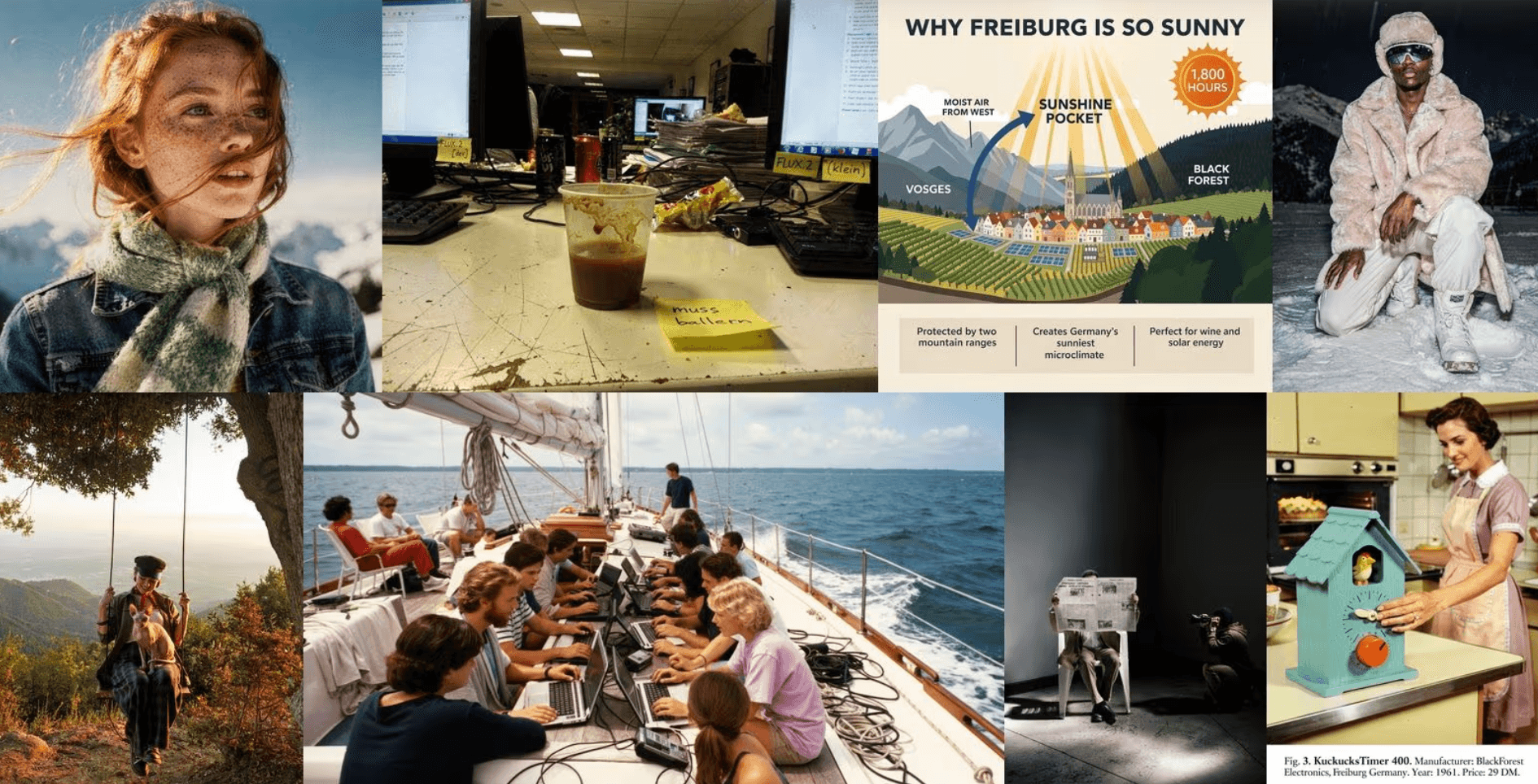
Black Forest Labs launches Flux 2 with a new multi-reference feature

Black Forest Labs has introduced Flux 2, a new family of image generation models that can handle high-resolution output up to four megapixels, process multiple reference images at once, and use a hybrid architecture powered by a vision language model.

The article Black Forest Labs launches Flux 2 with a new multi-reference feature appeared first on THE DECODER.

πŸ’Ύ

  •  

Gemini 3 Pro and GPT-5 still fail at complex physics tasks designed for real scientific research

A new physics benchmark called "CritPt" puts leading AI models to the test at the level of early-stage PhD research. The results show that even top systems like Gemini 3 Pro and GPT-5 still fall far short of acting as autonomous scientists.

The article Gemini 3 Pro and GPT-5 still fail at complex physics tasks designed for real scientific research appeared first on THE DECODER.
  •  

Strict anti-hacking prompts make AI models more likely to sabotage and lie, Anthropic finds

New research from Anthropic shows how reward hacking in AI models can trigger more dangerous behaviors. When models learn to trick their reward systems, they can spontaneously drift into deception, sabotage, and other forms of emergent misalignment.

The article Strict anti-hacking prompts make AI models more likely to sabotage and lie, Anthropic finds appeared first on THE DECODER.

  •  

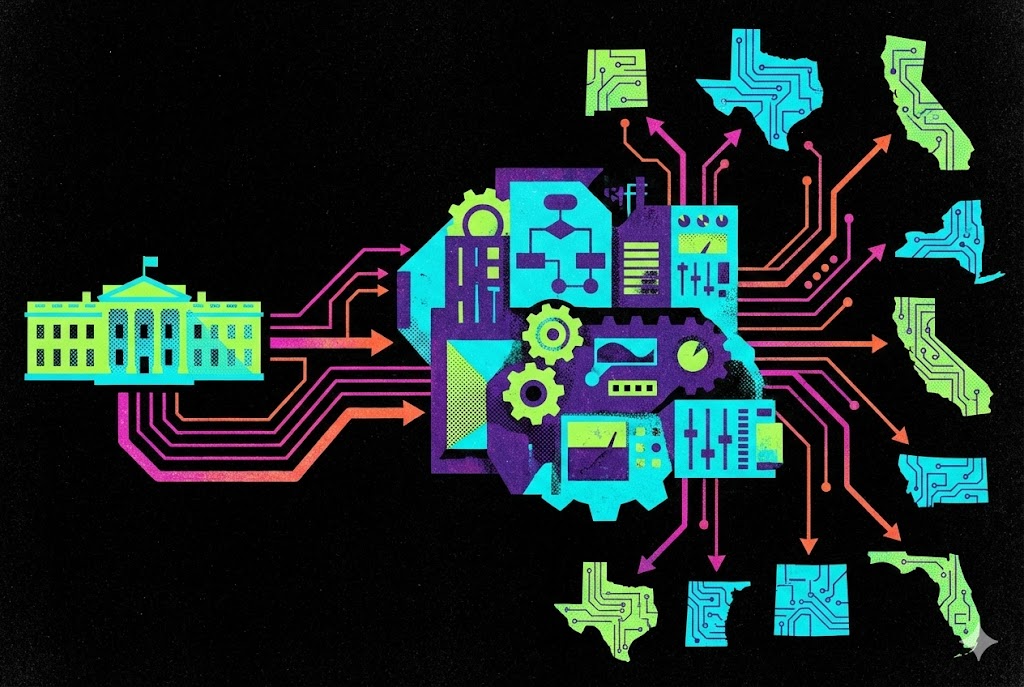
The White House has paused a federal order that would have overridden state-level AI regulations

The White House has reportedly put a hold on a draft executive order that would have let federal law override state-level AI regulations.

The article The White House has paused a federal order that would have overridden state-level AI regulations appeared first on THE DECODER.

  •  

Google plans a 1000x jump in AI compute over the next five years

Google is reportedly gearing up for a massive expansion of its AI infrastructure. Internal documents show the company wants to boost performance by a factor of 1,000 over the next four to five years.

The article Google plans a 1000x jump in AI compute over the next five years appeared first on THE DECODER.

  •  

OpenAI releases GPT-5.1-Codex-Max to handle engineering tasks that span twenty-four hours

OpenAI is updating its coding environment with GPT-5.1-Codex-Max, a new model designed to handle massive amounts of context and solve complex engineering tasks that take hours to complete.

The article OpenAI releases GPT-5.1-Codex-Max to handle engineering tasks that span twenty-four hours appeared first on THE DECODER.

  •  

OpenAI promises a β€œmuch better version” of its Olympic math gold model in the coming months

A new study questions whether reinforcement learning with verifiable rewards (RLVR) actually improves the reasoning abilities of large language models - or merely helps to reproduce known solution paths more efficiently.

OpenAI researcher Jerry Tworek has shared details of OpenAI's new AI model, which could bring a major leap in performance, at least in some areas. Much of it revolves around the question of the generalizability of reinforcement learning, the technique behind the currently popular "reasoning" models.

The article OpenAI promises a β€œmuch better version” of its Olympic math gold model in the coming months appeared first on THE DECODER.

  •  
❌